
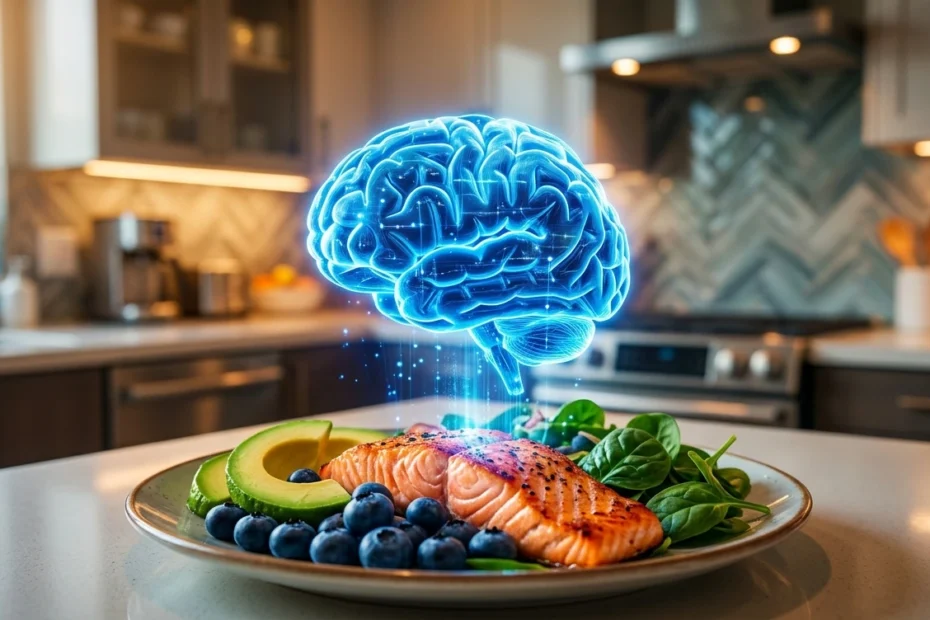
High Performance Nutrition:
What to Eat for Sustained Energy
Why does your focus plummet at exactly 2:00 PM, even after a theoretically “healthy” lunch? What the corporate world superficially labels as chronic fatigue, biological engineering diagnoses as a critical fuel allocation failure. If you manage your digital assets, investments, and businesses with mathematical precision, why do you continue to feed your biological hardware with sources that cause a system crash? Implementing a high performance nutrition strategy is not about aesthetic diets; it is about optimizing mitochondrial bandwidth to keep your brain and body operating at maximum capacity, without fluctuations in energy delivery.
1. The Executive Brain Drain:
Why Your Current Energy Architecture is Failing
When the operator’s energy level drops, all strategic decision-making is compromised. The inability to maintain focus for prolonged periods is not a failure of willpower, but a collapse at the base of your biological hardware’s safety pyramid. Without a stable flow of energy substrates, the brain enters an energy conservation mode, sacrificing the executive functions of the prefrontal cortex.
The Glucose Spike Fallacy (Malware in the System)
The most common mistake in the corporate routine is relying on simple carbohydrates and synthetic stimulants to remedy fatigue. When consuming refined sugars or high-glycemic meals, the system suffers an abrupt spike of glucose in the bloodstream.
The body’s immediate response is a massive release of insulin to clear the excess sugar, resulting in reactive hypoglycemia. Refined carbohydrates act as internal system malware, spiking systemic inflammation and actively worsening your [ stress-and-hormonal-health ] markers. This cycle forces the adrenal glands to work in overdrive, taking a heavy toll on your hormonal health.
2. Bioenergetic Substrates:
Essential Elements for Sustained Output

To reconfigure the body’s energy architecture, biological reverse engineering suggests replacing volatile fuels with high-density, slow-burning substrates. The objective is to provide a continuous flow of energy that does not rely on insulin spikes.
Lipids as Clean Burning Core Fuel
Scientific literature indicates that medium-chain fatty acids and monounsaturated fats act as an exceptionally clean fuel for mitochondria. Unlike glucose, lipid oxidation generates fewer oxidative byproducts (metabolic waste), protecting cellular integrity while providing more ATP per processed molecule.
| Fuel Source | Absorption Speed | Insulin Impact | Energy Stability |
| Simple Carbohydrates | Ultra-fast (Spike) | Extremely High (Crash) | Volatile (1-2 hours) |
| Good Fats (MCT/Mono) | Fast to Gradual | Practically Zero | Sustained (4-6 hours) |
Amino Acid Precursors and Receptor Protection
In addition to lipids, maintaining neurophysiology under stress requires the correct intake of amino acid precursors for neurotransmitters, such as L-Tyrosine and L-Theanine. These compounds act directly on modulating attention and cognitive resilience.
Selecting clean fuel sources prevents the glycemic crashes that trigger [ libido-and-dopamine ] receptor fatigue, protecting your focus from dropping off a cliff by mid-morning. This stabilization eliminates the need for compulsive dopamine-seeking behaviors through sweets or excessive caffeine.
3. The ATP Generation Blueprint:
Micronutrients as System Hardware Upgrades
It is not enough to just ingest the correct macronutrients if the cellular machinery cannot convert them into real energy (ATP). This conversion directly depends on enzymatic cofactors and minerals that function as a true hardware upgrade for the body.
To fully metabolize these clean energy sources, your cellular infrastructure requires foundational support. Make sure your protocol locks in the essential [ magnesium-and-zinc-benefits ] to keep the endocrine engine firing. Without this mineral foundation, the cellular respiration process becomes bottlenecked, generating mental fatigue and accumulating oxidative stress in the cells.
4. The High-Performance Grocery Stack:
What to Deploy
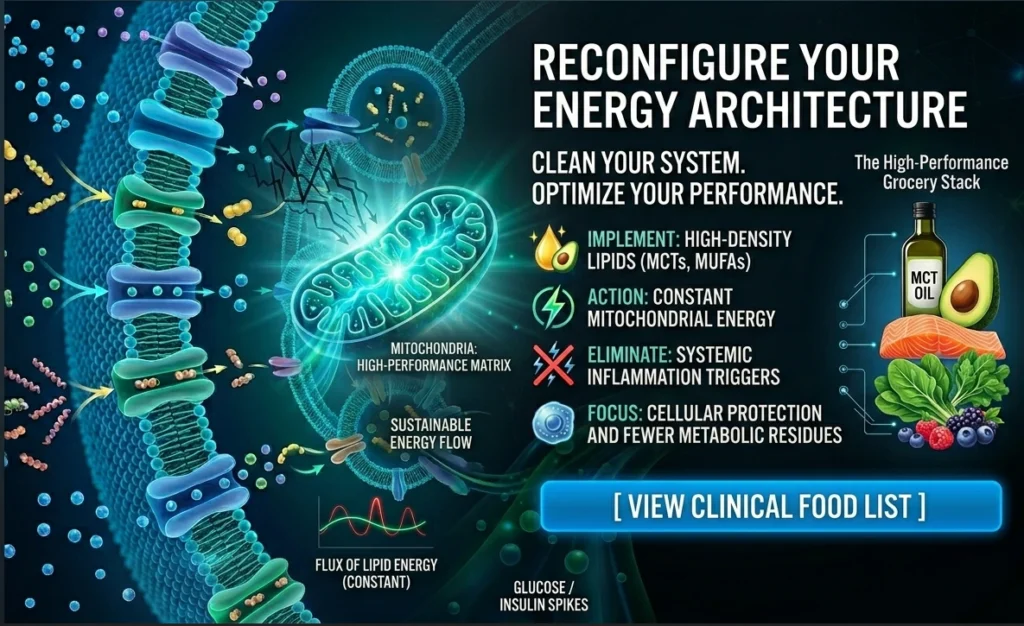
Clinical data auditing points to a selected group of foods and compounds that optimize performance without activating systemic inflammation triggers.
- MCTs (Medium-Chain Triglycerides): Rapidly converted into ketones by the liver, providing immediate energy to the brain without demanding complex digestive effort.
- Avocado and Extra Virgin Olive Oil: Rich in monounsaturated fats that stabilize cell membranes and maintain prolonged satiety.
- High Biological Value Proteins (Eggs and Fatty Fish): Provide the structural building blocks and essential amino acids for neurotransmitter synthesis, along with omega-3 fatty acids that reduce brain fog.
- Dark Leafy Greens and Cruciferous Vegetables: Dense sources of magnesium, potassium, and antioxidants that clear the metabolic waste produced during periods of high cognitive demand.
Consuming caffeine on an empty stomach or immediately upon waking masks the signals of accumulated adenosine without generating real energy. Biological engineering recommends delaying the first dose of caffeine by 90 to 120 minutes after waking, allowing natural cortisol to boot the system and protecting your adrenals from early burnout.
FAQ
⚠️ Medical Disclaimer:
The information contained on ReviewLab.click is for educational, informational, and auditing purposes only. We do not provide medical advice, diagnosis, or prescription treatments. The analysis of supplements and biological protocols is based on the review of available scientific literature and market formulations. Always consult a qualified healthcare professional or physician before introducing any new supplement or modifying your health routine.