
How to Memorize Something Fast:
Beyond Supplements
and Into Neuroplasticity
You’re in the middle of a high-stakes meeting, or perhaps deep into a complex coding sprint, and it happens. That sudden, frustrating “blank.” You know the information is there, but the access is denied. Your brain feels like a browser with 50 tabs open, and it just froze.
At ReviewLab.click, we’ve spent months investigating why high-performing men—entrepreneurs, lawyers, and creators—experience this “3 PM crash.” Most people reach for another espresso, but science suggests that’s like whipping a tired horse.
If you want to know how to memorize something fast and maintain a “limitless” mental edge, you don’t need more stimulants. You need to understand the biological hardware of your memory.
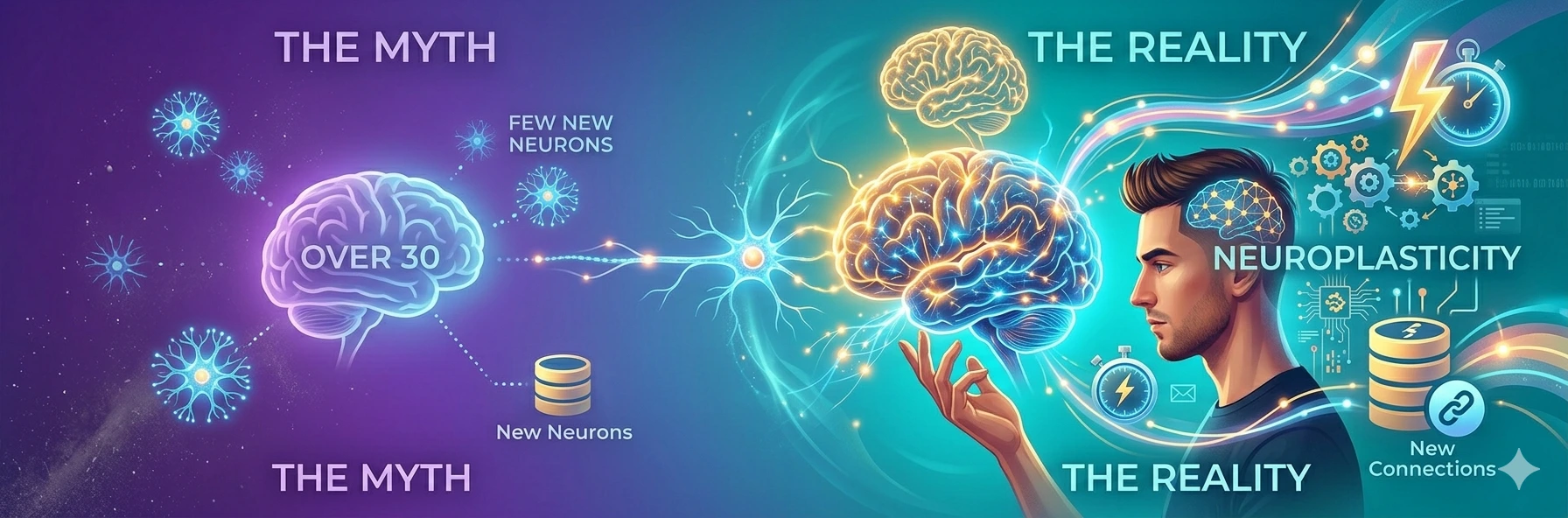
The Myth of “New Neurons” vs.
The Reality of Neuroplasticity
There’s a common misconception in the self-help world: that to get smarter, you need to grow millions of new brain cells.
While “neurogenesis” exists, for the professional over 30, it’s not the primary driver of performance. The real secret to learning and memorizing fast lies in Neuroplasticity
What is Neuroplasticity?
Think of your brain not as a static porcelain bowl, but as dynamic plasticine. Neuroplasticity is your brain’s ability to reorganize itself by forming new neural connections. It’s how your nervous system changes in response to experience.
However, for your brain to “rewire” effectively, two mechanisms must be functioning at 100%:
- Synaptic Potentiation
(The Strengthening): When you learn a new skill, the “bridge” (synapse) between neurons becomes more robust. The more you use it, the faster the signal travels. - Synaptic Pruning
(The Cleaning): To make room for important data, your brain must “delete” irrelevant background noise.
The Overwhelmed Brain Problem: When you are chronically stressed, your brain’s “cleaning crew” (microglia cells) goes into overdrive. Instead of just cleaning the trash, they start causing low-grade inflammation. This is the biological root of Brain Fog and that feeling of “slow reasoning.”
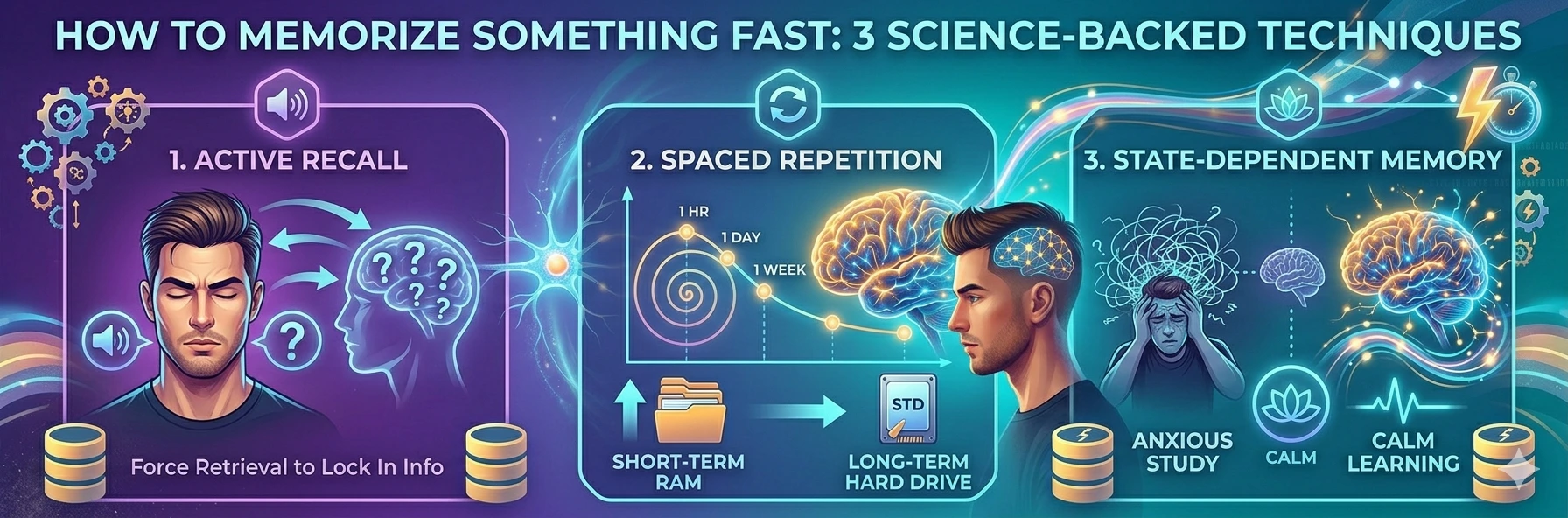
How to Memorize Something Fast:
3 Science-Backed Techniques
Before we talk about the “hardware” (supplements), let’s look at the “software” (techniques). These are the gold standards in cognitive psychology:
1. Active Recall (Testing is Learning)
Most people read a report three times and think they’ve “learned” it. That’s an illusion of competence. To lock in information, you must force your brain to retrieve it.
- The ReviewLab.click Hack: After reading a paragraph, close your eyes and summarize it out loud. That “struggle” you feel is the physical signal of your neural pathways strengthening.
2. Spaced Repetition
Your brain is designed to forget. According to the “Ebbinghaus Forgetting Curve,” we lose about 70% of new information within 24 hours unless we review it.
- The Strategy: Review the info after 1 hour, then 1 day, then 1 week. This moves data from short-term “RAM” to your long-term “Hard Drive.”
3. The “State -Dependent” Memory
- Your brain associates information with your physical state. If you learn something while calm, you’ll remember it better in that same state. This is why “anxious studying” rarely sticks.
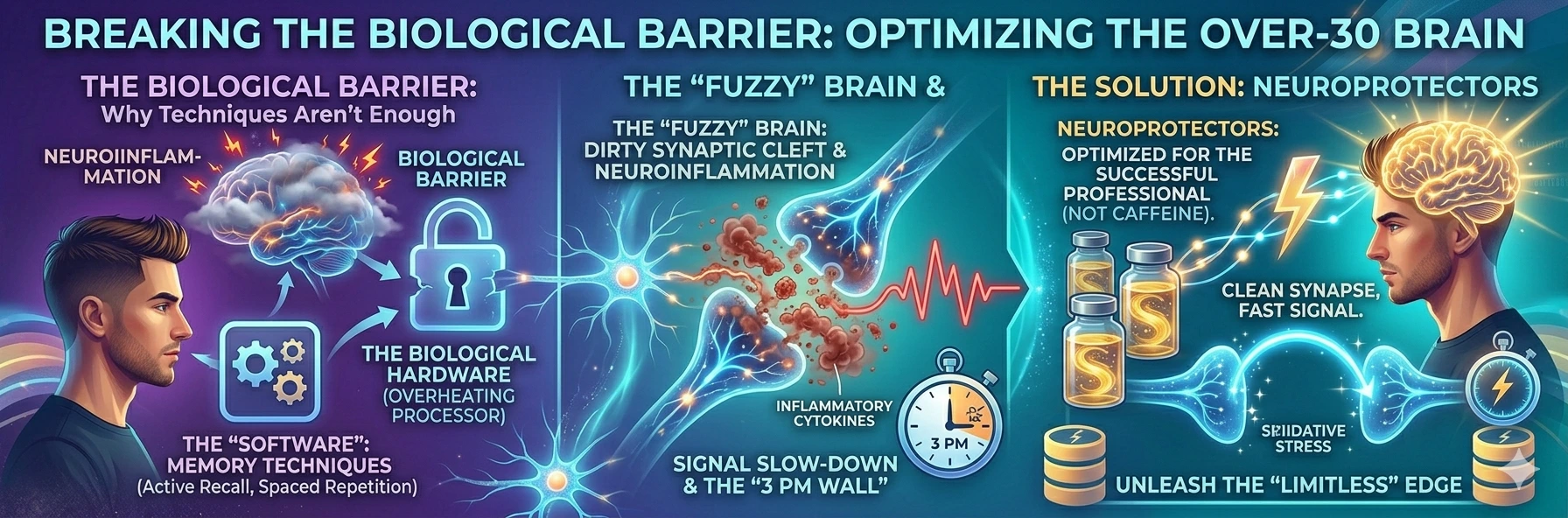
The Biological Barrier:
Why Techniques Aren’t Enough
You can have the best software in the world, but if your computer’s processor is overheating, the system will crash. This is where most men over 30 fail. They use memory techniques, but their brain is suffering from Neuroinflammation.
The “Fuzzy” Brain
and the 3 PM Wall
Do you feel like your reasoning is “slow” in the afternoon? This isn’t just “tiredness.” It’s oxidative stress in the synaptic cleft —the gap where neurons communicate. When this gap is “dirty” with inflammatory cytokines, the signal slows down. At ReviewLab.Click, we noticed a trend: the most successful professionals aren’t using more caffeine. They are using Neuroprotectors.
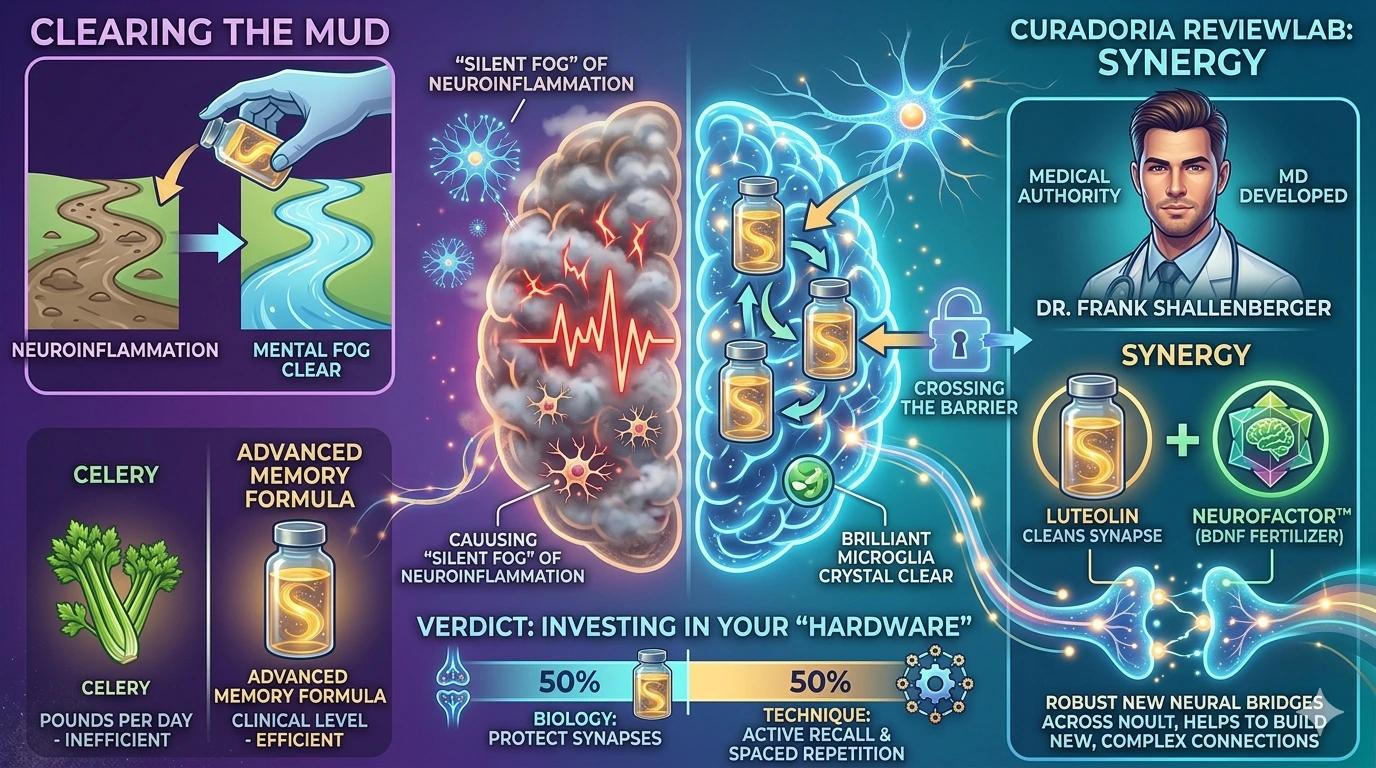
Luteolin: The “Silent Guard” of Memory
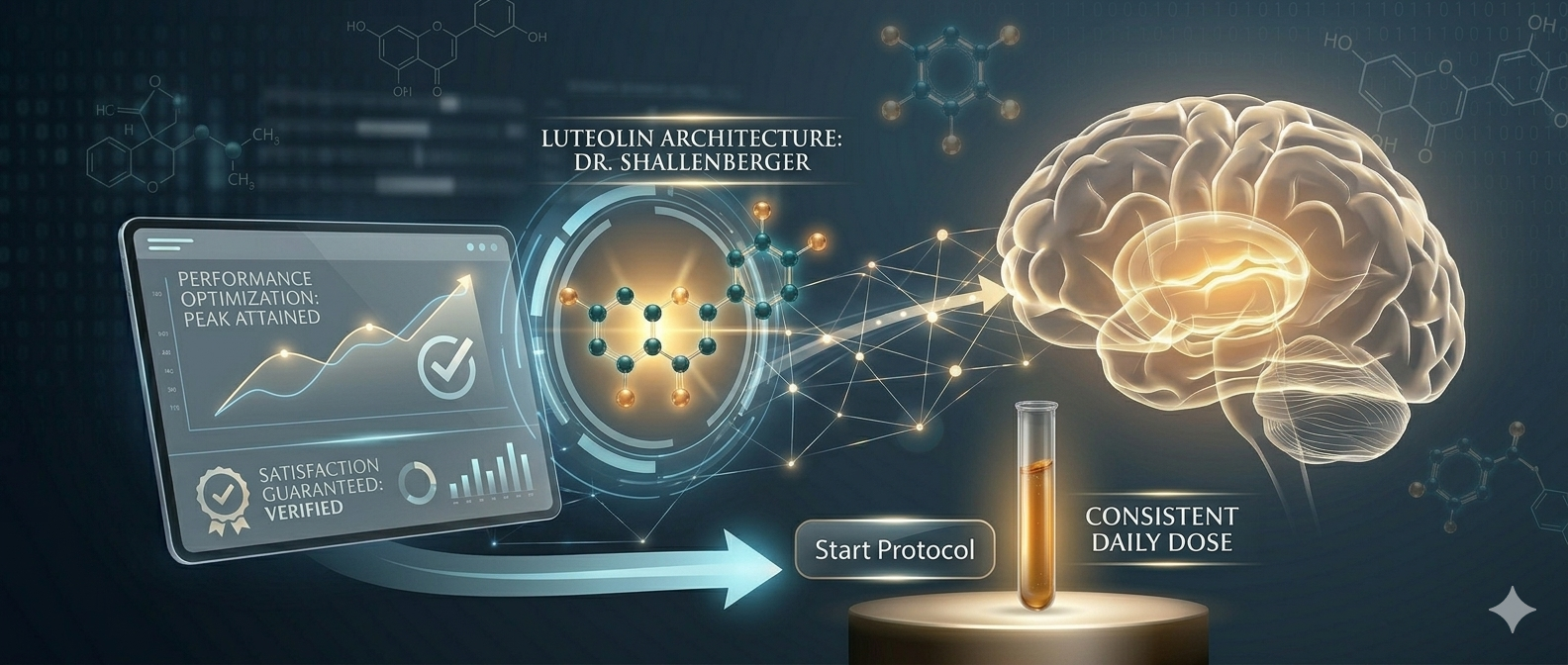
If you follow biohacking circles, you’ve heard of Luteolin. It’s a natural flavonoid that acts as a “reset button” for your brain’s immune system.
- Clearing the Mud: Luteolin tells your microglia cells to stop causing inflammation, clearing the mental fog.
- Crossing the Barrier: Unlike 90% of brain supplements, Luteolin actually reaches the neurons where it’s needed most.
Inside ReviewLab:
Why “Advanced Memory Formula” Grabbed
Our Attention
In our technical analysis, the Advanced Memory Formula stood out for two reasons:
- Medical Authority: Developed by Dr. Frank Shallenberger, a veteran in anti-aging medicine. For the man over 40, knowing an MD is behind the ratios provides a layer of security that “marketing brands” lack.
- The Synergy: It combines Luteolin (which “cleans” the synapse) with NeuroFactor™ (which acts as “fertilizer” for BDNF, helping build new neural bridges).
Verdict: Investing in Your “Hardware”
If you are an entrepreneur, lawyer, or creator, your brain is your primary income-generating asset. If it “locks up,” your reputation is at risk.
Learning how to memorize something fast is a 50/50 split:
- 50% is Technique: Active recall and spaced repetition.
- 50% is Biology: Protecting your synapses from inflammation and fueling neuroplasticity.
At ReviewLab.Click, we believe addressing the “silent” inflammation via Luteolin is the missing piece for most high-performers.